7 Signs Your Bedroom Is Too Hot to Sleep (and How to Cool It Down)
The Short Answer
If you fall asleep slowly, kick off the covers, wake up sweaty or in the early hours, and feel groggy after a full night, your bedroom is probably too warm. Many sleep experts suggest a cool room, often around 60–67°F, and plenty of bedrooms run well above that, in summer and in winter, when radiators and upper floors overheat. The fix is to cool the room you sleep in, not the whole house, and a quiet bedroom cooler with an all-night tank like the AiraBreeze is one of the simplest ways to do it.
Most people blame bad sleep on stress, coffee or their mattress. Often the real culprit is simpler: the room is too warm. Your body needs to shed a little heat to fall asleep and stay asleep, and a hot bedroom gets in the way. The good news is that your body sends clear signals when that happens. Here are the seven most common ones, what each is telling you, and how to bring the temperature down tonight.
Why Temperature Matters So Much for Sleep
As bedtime approaches, your core body temperature naturally drifts down a little, and that drop is part of what helps you feel sleepy and stay in deeper sleep. A cool bedroom helps the process along; a warm one works against it. That is why many sleep experts suggest a cool room, often quoted at around 60–67°F, paired with bedding that keeps you comfortable. It is a range, not a rule. Age, sleepwear, bedding and personal preference all move it, and babies and older adults may need something different, so ask a doctor if you are unsure.
7 Signs Your Bedroom Is Too Hot
1. It takes ages to fall asleep
You are tired, the lights are off, and you are still lying there thirty minutes later, flipping the pillow to the cool side. Struggling to drift off in a warm room is one of the most common signs that your body cannot cool down enough to settle into sleep.
2. You wake up sweaty or with damp sheets
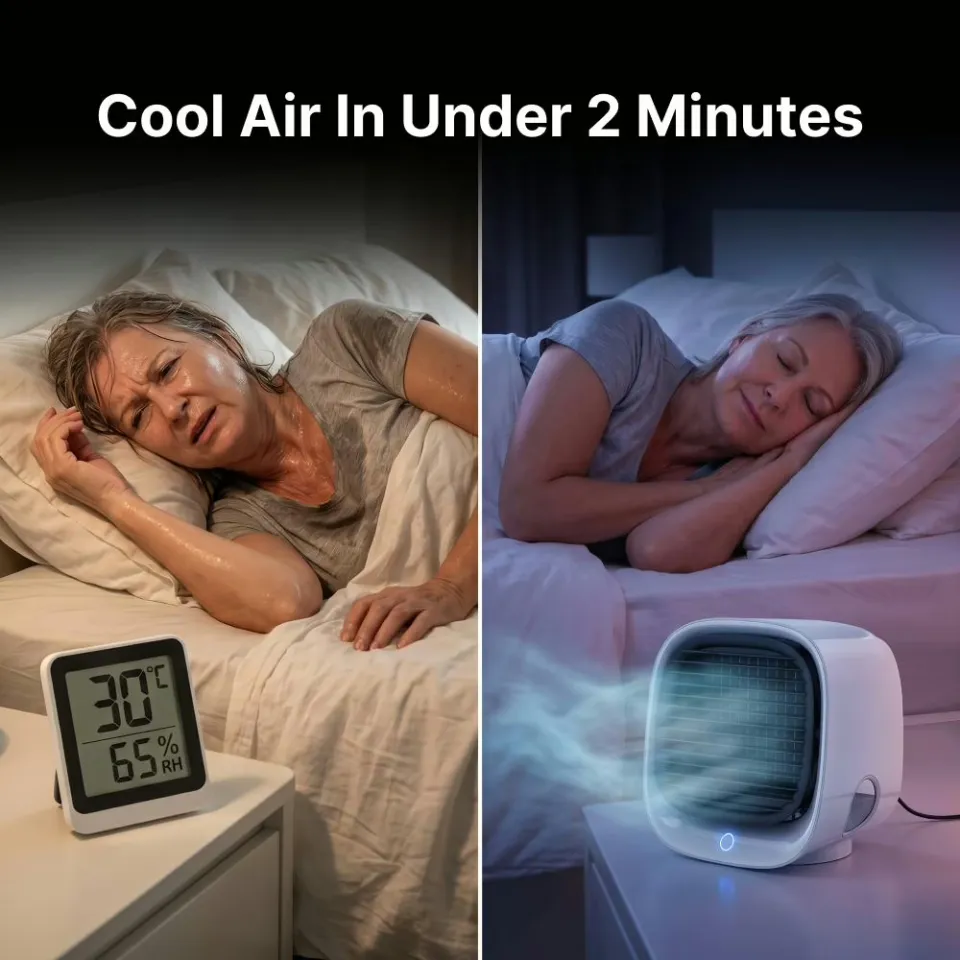
Night sweats in a warm room are your body working hard to release heat. If your pajamas or sheets feel damp in the morning and you are otherwise well, the room temperature and your bedding are the first things to check. If night sweats happen regardless of temperature, talk to your doctor.
3. You kick off the covers (or sleep with one leg out)
The classic one-leg-out move is your body’s own cooling strategy. Waking up with the duvet on the floor, or constantly adjusting the covers through the night, usually means the room is warmer than your body wants.
4. You wake up at 2 or 3 a.m. and cannot get back to sleep
Heat tends to make sleep lighter and more broken. Many people in hot rooms wake in the early hours feeling restless, thirsty or uncomfortable, and then lie awake. If this happens mostly on warm nights, temperature is a likely factor.
5. You feel groggy after what should have been a full night
Seven or eight hours in bed but you wake up foggy, sometimes with a heavy head? A hot room can fragment sleep without fully waking you, so you get the hours but not the rest.
6. The room feels stuffy and the thermometer says so
Walk in from the hallway and the air feels close and heavy. Put an inexpensive thermometer by the bed for a few nights: if it regularly reads above about 70°F at bedtime, you have your answer. A hygrometer helps too, since high humidity makes a warm room feel even warmer. Wondering what number to aim for? See the best temperature for sleeping and where the 65°F rule comes from. If the air feels heavy even when the temperature is fine, read why your room is so stuffy and the 5 problems that come with it.
7. Everyone in the room is restless
Your partner tosses and turns, the kids complain they are hot, and the dog leaves the bed for the cool kitchen floor. When the whole household is restless, the room, not the people, is usually the problem. (If only one of you runs hot, see how hot and cold sleepers can share a bed comfortably.)
The Signs at a Glance
| What you notice | What it usually means | Quick fix to try |
|---|---|---|
| Slow to fall asleep | Body cannot shed heat to settle | Cool the room before bed |
| Sweaty or damp sheets | Room and bedding too warm | Lighter, breathable bedding |
| Covers kicked off | Body trying to cool itself | Lower room temperature, gentle airflow |
| Awake at 2–3 a.m. | Lighter, broken sleep from heat | Keep cooling running through the night |
| Groggy mornings | Fragmented sleep | Aim for a cooler, steadier room |
| Stuffy air, above ~70°F | Heat building up with no outlet | Airflow plus cooling |
Why Bedrooms Get Too Hot (Even in November)
- Heat you cannot control: apartment radiators and building heat often run hot all winter. See why your apartment is so hot in winter.
- Upper floors: heat rises, so upstairs bedrooms run warmer year-round. We cover it in why is my upstairs so hot.
- Heavy winter bedding: a thick duvet in an already warm room traps heat around you.
- Closed windows and doors: great for privacy and quiet, bad for letting warm air out.
- Electronics and lighting: chargers, TVs and computers in the bedroom all add a little heat.
- A thermostat in another room: the hallway reads 68°F, but the bedroom over the kitchen does not.
How to Cool a Hot Bedroom Tonight
- Check the numberPut a thermometer by the bed. Knowing whether you are at 68°F or 76°F tells you how much you need to change.
- Turn down what you canClose radiator valves if you have them, lower the thermostat for the bedroom zone, switch off electronics.
- Swap the beddingBreathable cotton or linen sheets and a lighter blanket you can add or remove.
- Let warm air outCrack a window or the door for a few minutes before bed to flush stale, warm air.
- Cool the room you sleep inA quiet portable cooler on the nightstand cools the air around the bed without running whole-house AC for one room. Set it up safely using our guide on sleeping with an air cooler on.
- Keep it steady all nightA cooler with a tank that lasts until morning keeps the room comfortable through those 2 a.m. hours.
For more free ways to beat the heat, read how to stay cool at home without air conditioning. If you are new to evaporative coolers, do evaporative air coolers actually work? explains how they cool and where they work best.
Our Recommendation: AiraBreeze
If you recognized your nights in two or three of these signs, AiraBreeze is the portable air cooler we recommend for a hot bedroom. It cools exactly where you sleep, quietly and all night, without the cost of running AC for the whole house:
- Cool air in about 90 seconds: fill it, plug it in, press a button and the air around the bed turns noticeably cooler.
- A tank that lasts the night: up to 8 hours per fill, so it keeps working through the early hours when heat wakes you.
- Quiet enough to sleep beside: 3 fan speeds, with a gentle low setting for bedtime.
- Fresher air: it cools, filters, humidifies and purifies as it runs, which feels especially good in dry, radiator-heated rooms.
- Sized for bedrooms: designed for spaces up to 215 sq ft, light enough to move from the bedroom to the desk with one hand.
- Low running cost: a small fan and water pump instead of a compressor.
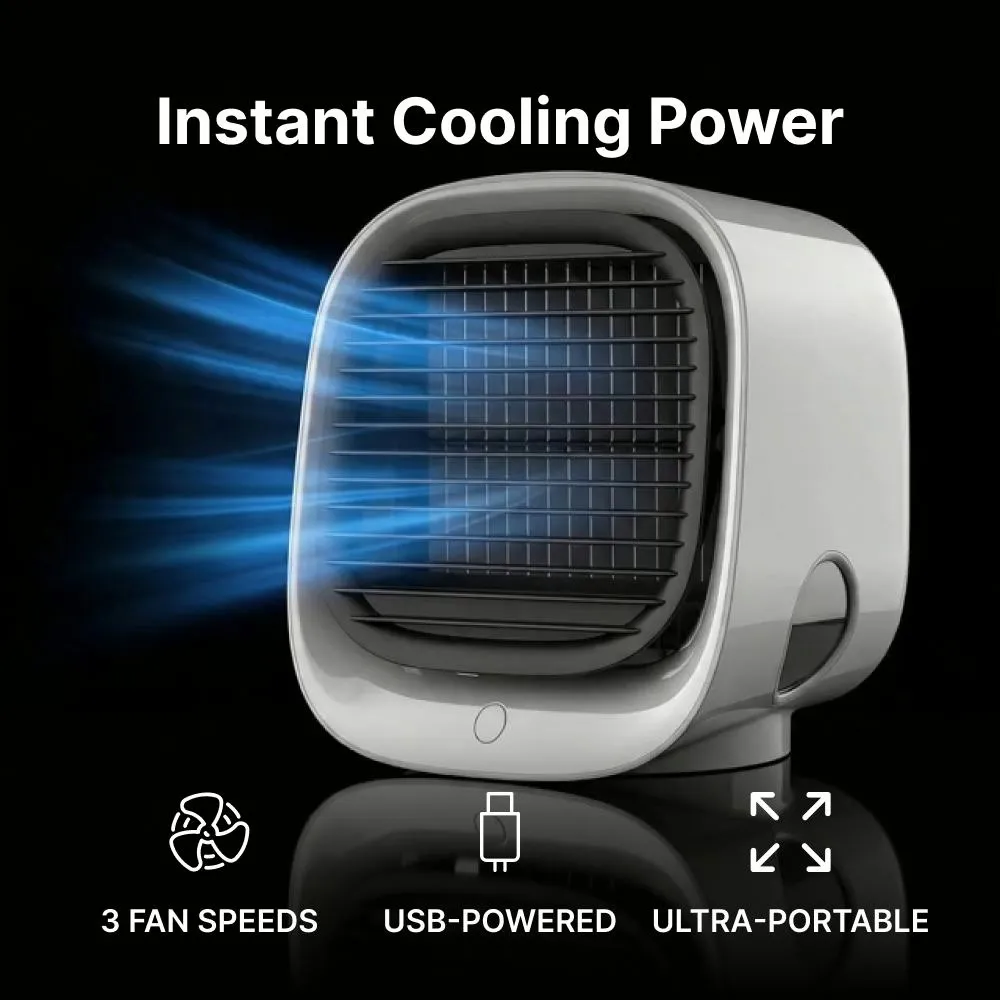
Owners rate it 4.7/5 across 1,888+ reviews, and 97% say they would recommend it. The official site is currently offering 75% OFF, and every order comes with a 30-day money-back guarantee, so you can try it for a few weeks of real nights. As with any evaporative cooler, it's personal, small-room cooling, not a replacement for central air. For the full breakdown of specs and owner feedback, read our full AiraBreeze review.
Frequently Asked Questions
How do I know if my bedroom is too hot to sleep?
Common signs are taking a long time to fall asleep, tossing and turning, kicking off the covers, waking up sweaty or with damp sheets, waking in the early hours and struggling to drift off again, and feeling groggy after what should have been a full night. A simple room thermometer by the bed confirms it.
What is the best bedroom temperature for sleep?
Many sleep experts suggest a cool room, often somewhere around 60 to 67 degrees Fahrenheit, with bedding that keeps you comfortable. It is a range, not a rule: age, bedding, sleepwear and personal preference all shift it. Babies and older adults may need a different setting, so ask a doctor if you are unsure.
Is 75 degrees too hot for sleeping?
For most adults, 75 degrees Fahrenheit is warmer than the range sleep experts commonly suggest, and many people sleep more restlessly at that temperature. Lighter bedding and a bit of airflow help, and cooling the bedroom by a few degrees often makes a noticeable difference.
Why is my bedroom hot in winter?
In winter, bedrooms overheat because of radiators or heating you cannot control, heat rising to upper floors, heavy winter bedding and closed windows. In apartments, shared building heat is a common cause. Cooling just the bedroom is often the simplest fix.
Can a portable air cooler cool a hot bedroom?
Yes. A portable evaporative air cooler cools the air around you by evaporating water, and it works best in dry air, such as a room heated by radiators or in a dry climate. It is personal, small-room cooling rather than a replacement for central air, and it uses far less power than an air conditioner.
New here? Browse more honest home-product reviews on our Review Elite home page, or read how to use a portable air cooler for colder air.