Why Is My Upstairs So Hot? 7 Causes and How to Cool an Upstairs Bedroom
The Short Answer
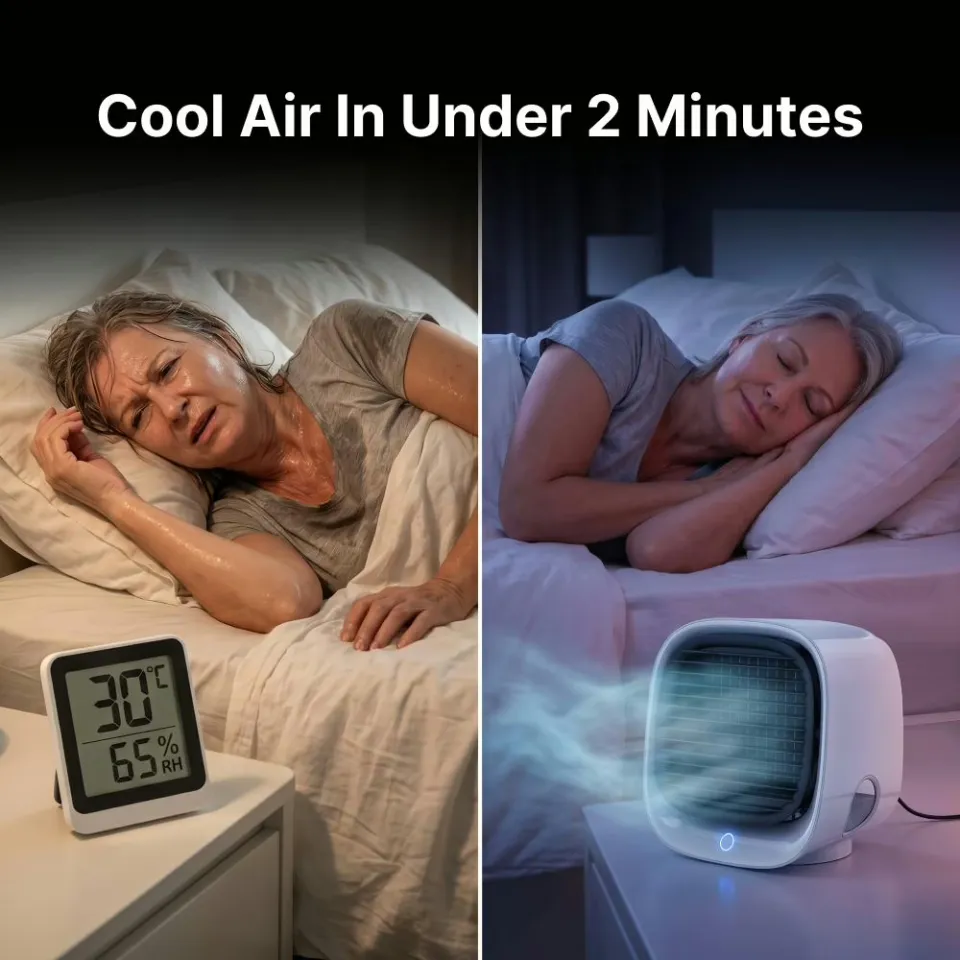
Your upstairs is hotter because heat rises, the attic right above it bakes in the sun, and in many homes one thermostat downstairs shuts the AC off before the second floor ever cools down. Blocking daytime sun and flushing hot air out at night help a lot. To make the room you actually sleep or work in comfortable, the most practical fix is a portable evaporative cooler aimed at you; the one we recommend is the AiraBreeze.
It's one of the most common complaints in two-story homes: the living room feels fine, then you climb the stairs and walk into a wall of warm air. The kids' rooms are stuffy, the home office is sticky by noon, and the bedroom is still warm at midnight. You're not imagining it, and it isn't necessarily a broken system. Here's what's going on, what people usually try, and how to fix the room that matters most to you.
The 7 Reasons Your Second Floor Runs Hot
1. Warm Air Rises
Hot air is lighter than cool air, so it naturally drifts up the stairwell and collects on the top floor. This "stack effect" means the upstairs is warmer even on days when nothing else is wrong.
2. The Attic Is a Heat Battery
The roof soaks up sun all day, and the attic underneath gets very hot. That heat radiates down through the ceiling into the rooms directly below, and it keeps radiating well into the evening, which is why upstairs bedrooms often feel worst at bedtime.
3. One Thermostat, Two Different Floors
In many homes the only thermostat is downstairs. Once the first floor reaches the set temperature, the system stops, even though the second floor is still several degrees warmer.
4. Long or Leaky Ducts
Upstairs rooms are usually the farthest from the system, so cool air travels the longest route to get there. ENERGY STAR estimates that in a typical house about 20 to 30 percent of the air moving through the duct system is lost to leaks, holes and poorly connected ducts, and the far rooms tend to feel it most.
5. Sun-Facing Windows
West- and south-facing upstairs windows let in strong afternoon sun. Every hour of direct sunlight adds heat that the room then has to get rid of.
6. Closed Doors and Poor Airflow
A bedroom with the door shut and no return vent can trap warm air. Without a path for air to circulate, the room simply stays warmer than the hallway.
7. Heat You Create Yourself
Computers, gaming consoles, TVs and even bright lamps add up, especially in a small home office or teenager's bedroom. Two or three people in a small room add body heat too.
What People Usually Try (and How It Goes)
| What people try | Does it help? | The catch |
|---|---|---|
| Turning the thermostat way down | A little upstairs | Downstairs gets cold and the energy bill climbs |
| Closing downstairs vents | Sometimes, slightly | Closing too many can strain the system |
| Running the system fan nonstop | Mixes air between floors | Adds running cost; the room is still warm |
| Ceiling or box fans | Yes, for comfort | Moves warm air around; doesn't cool it |
| A window AC unit | Yes | Installation, window blocked, higher power draw |
| Attic insulation, ventilation or a ductless system | Yes, long term | Bigger projects and budgets, usually with a contractor |
| Portable evaporative cooler aimed at you | Yes, right where you are | Designed for one room, not the whole floor |
If you're weighing these machines against each other, our portable cooler vs. AC vs. fan comparison goes deeper into which one suits which space and budget.
Free Fixes That Make Any Upstairs Cooler
- Close blinds and curtains on sunny windows during the day, especially west-facing ones in the afternoon.
- Flush the heat out at night. When it's cooler outside, open upstairs windows and put a fan in one facing out to pull warm air away.
- Keep air moving. Leave bedroom doors open when you can, or keep the gap under the door clear.
- Turn off heat makers. Power down computers, consoles and bright lights you're not using.
- Sleep light. Breathable cotton or linen sheets and a lighter blanket make a surprising difference.
Our full guide to staying cool without AC lists every free tactic worth trying. They take the edge off, but on a hot afternoon or a warm night, the room still needs something that actively cools you.
The Simple Strategy: Cool the Room You Use, Not the Whole Floor
Here's the shift that makes the upstairs problem easy. You don't need to make the entire second floor icy. You need to be comfortable in one place at a time: your bed at night, your desk during the day. That's precisely what a portable evaporative cooler is built for. It sits a few feet from you and sends a stream of cooler, fresher air right where you are, using a fraction of the power of an air conditioner. A model like the AiraBreeze portable air cooler is light enough to carry from the home office to the bedroom in the evening, so one unit covers both.
An important note on expectations: an evaporative cooler is not central air and isn't meant to replace it. It's personal and small-room cooling, and it works best with a window slightly open. Set up right, it turns a stuffy upstairs room into one you actually want to be in. Our 9 tips for colder air show exactly how to place and fill it.
Our Recommendation: AiraBreeze
For a hot upstairs bedroom, home office or kids' room, AiraBreeze is the option we recommend. It was designed for exactly this situation: a room that the main system doesn't keep comfortable, and a person who wants relief right now, without installation.
- Fast relief: noticeably cooler air in about 90 seconds.
- Right-sized for upstairs rooms: rated for spaces up to 215 sq ft, the size of a typical bedroom or home office.
- Lasts the night: runs up to 8 hours per tank, and you can add ice for an extra-cold boost on the worst days.
- 3 fan speeds: low and quiet for sleeping, higher for a sticky afternoon at your desk.
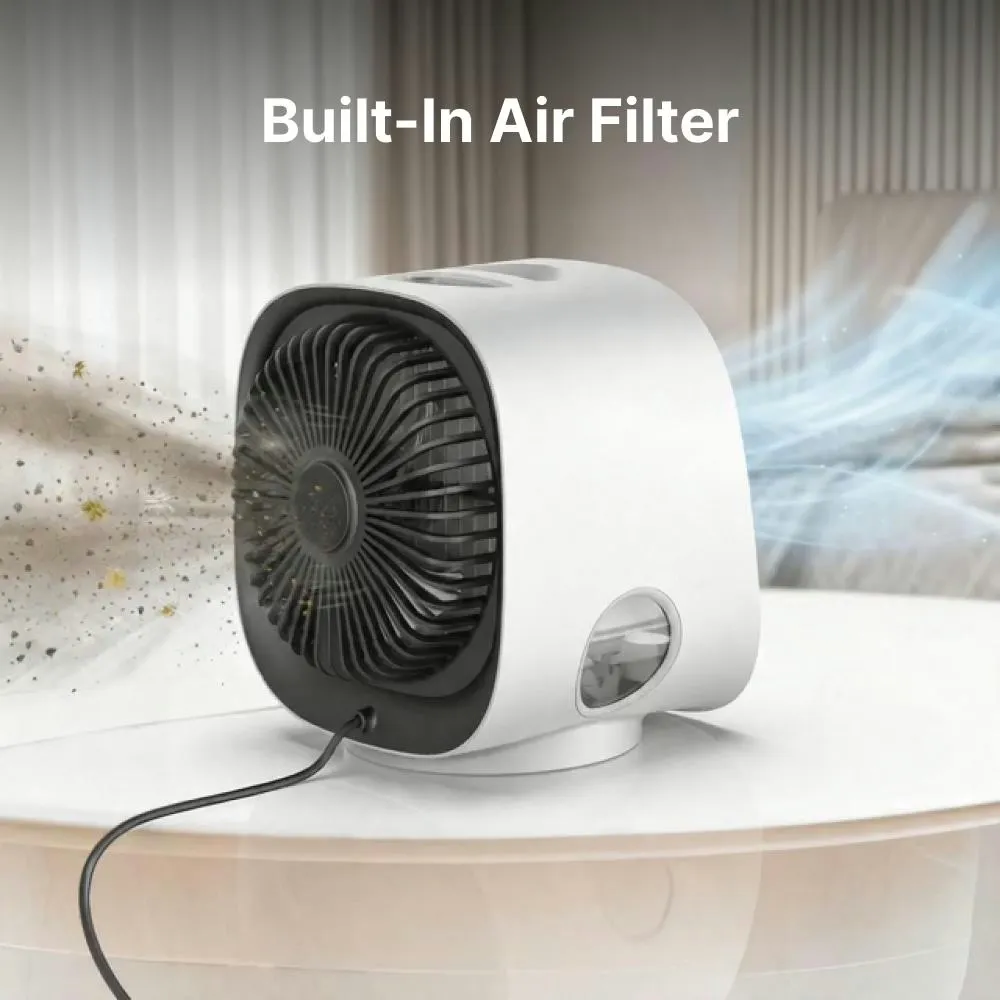
- Fresher air: it filters, humidifies and purifies as it cools, a welcome change from stale upstairs air.
- Plug-and-play and portable: no installation, no blocked window, light enough to carry with one hand.
Owners rate it 4.7/5 across 1,888+ reviews. The official site is currently offering 75% OFF, and every order comes with a 30-day money-back guarantee, so you can try it in your own upstairs room, in your own climate, without risk. For the full breakdown of specs and owner feedback, see our complete AiraBreeze review.
Frequently Asked Questions
Why is my upstairs so hot even with the AC on?
Warm air rises, the attic above the second floor heats up in the sun, and in many homes a single thermostat downstairs switches the AC off once the first floor feels comfortable. Long or leaky duct runs can also deliver less cool air to the rooms farthest from the system.
Should I close the vents downstairs to push cool air upstairs?
Partially adjusting vents can help balance airflow a little, but closing many vents can raise pressure in the system and reduce efficiency. For a real change, an HVAC professional can check duct balance, and a personal cooler can handle the room you use most.
What is the cheapest way to cool an upstairs bedroom?
Start with free steps: close blinds on sun-facing windows during the day, open windows and run fans in the cool evening hours, and keep the bedroom door managed. Then add a portable evaporative cooler aimed at the bed, which uses far less power than an air conditioner.
Does a portable air cooler work in an upstairs bedroom?
Yes, it's one of the best uses for one. A portable evaporative cooler is made for personal and small-room cooling, so placed a few feet from the bed with a window slightly open, it delivers noticeably cooler airflow right where you sleep. AiraBreeze is rated for spaces up to 215 sq ft.
Will attic insulation fix a hot upstairs?
Better attic insulation and ventilation can make a real long-term difference, because they slow the heat coming down from the roof. They are bigger projects, so many people pair a free daily routine with a portable cooler for comfort right away.
New here? Browse more honest home-product reviews on our Review Elite home page.