Why Is My Apartment So Hot in Winter? 7 Causes and How to Cool Your Room
The Short Answer
Apartments overheat in winter mostly because the building's central heat is set to keep the coldest units warm, and older steam or hot-water radiators give you little or no control. Upper floors, units near the boiler and well-sealed rooms get the most heat. You can ask your landlord to balance the system, keep radiators clear and use a cracked window with moving air, but the most comfortable fix is to cool the room you actually live and sleep in. A compact evaporative cooler like the AiraBreeze works especially well in dry, radiator-heated winter air.
It's January, it's freezing outside, and you're lying on top of the covers with the window wide open and the radiator still hissing. If that sounds familiar, you're not alone: overheated apartments are one of the most common winter complaints in older buildings, from New York walk-ups to Chicago courtyard buildings. The heat isn't broken. It's working exactly as designed, just not for your unit. Here's why it happens, what you can realistically change, and how to finally sleep at a comfortable temperature.
7 Reasons Your Apartment Is So Hot in Winter
1. The building is heated for the coldest unit
In most apartment buildings, one boiler heats every unit, and it runs until the coldest apartments (often ground-floor corners or units with lots of windows) are warm enough. Many cities also require landlords to provide a minimum level of heat during the heating season. The result: if your unit warms up easily, it gets far more heat than it needs.
2. Radiators with no real thermostat
Older steam and hot-water radiators often have no thermostat in your apartment at all. On a one-pipe steam radiator, the valve is designed to be fully open or fully closed; it's not a dimmer. So the radiator runs at full output every time the boiler fires.
3. You live on an upper floor
Heat rises through the building, and upper-floor units also get warmth from the apartments below. Steam systems tend to push heat to the top floors fast. (Hot upstairs rooms are a summer problem in houses too; see why your upstairs is so hot.)
4. Heating pipes run through your walls
Risers, the vertical pipes that carry steam or hot water to every floor, often pass through corners of apartments. Even with your radiator off, a riser in the wall or an exposed pipe can keep a room warm all winter.
5. Small, well-sealed rooms
A compact bedroom with new windows holds heat very well. Add a radiator sized for an older, draftier building and the room overheats quickly.
6. Sun and appliances
South- or west-facing windows, a busy kitchen, a gaming PC or a TV all add heat. In a small apartment, they make a noticeable difference. (Cooking a big meal? See how to stay cool in a hot kitchen while cooking.)
7. The thermostat is in someone else's apartment
In some buildings with central thermostats, the sensor sits in one unit or a hallway. If that spot runs cold, everyone else gets cooked.
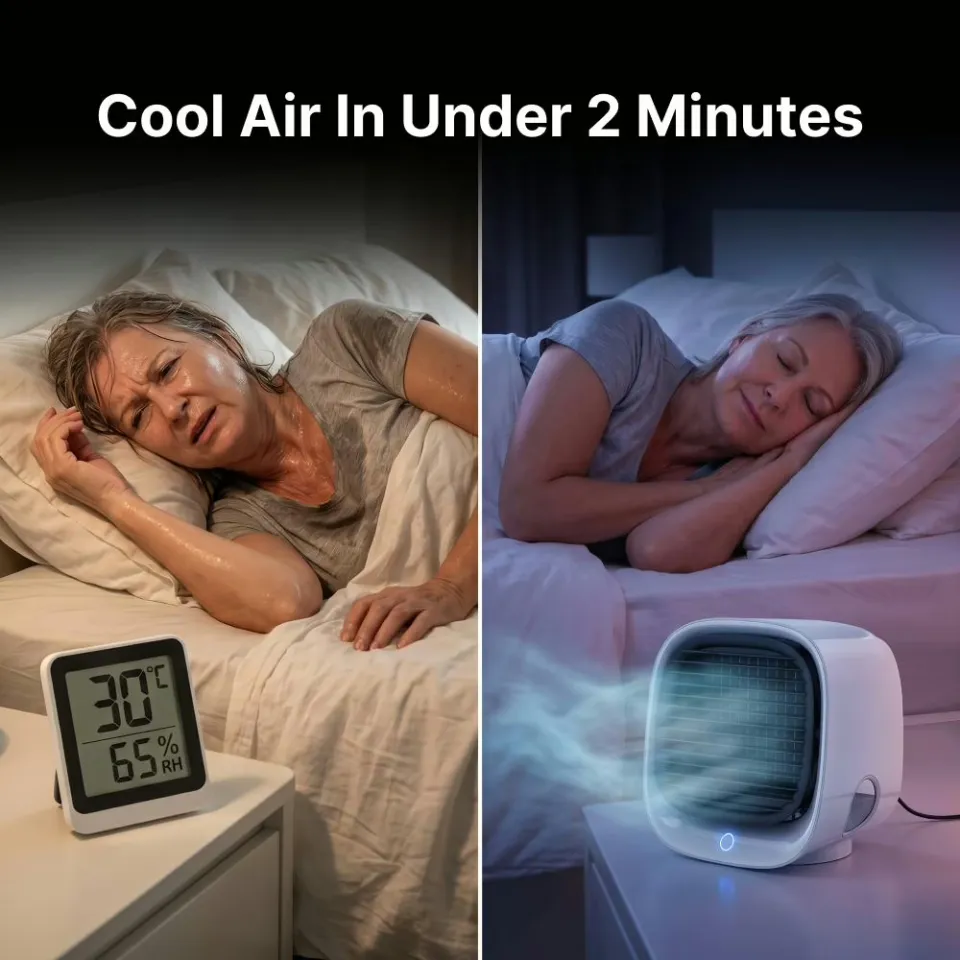
What You Can (and Can't) Change as a Tenant
| Option | Effect | Watch out for |
|---|---|---|
| Ask the landlord to balance the heat | Can fix the root cause | Takes time; put it in writing |
| Thermostatic valve or radiator cover (installed by the building) | Lets you limit radiator output | Not possible on every system |
| Turning a steam valve halfway | Doesn't work as a dimmer | Banging pipes, leaks |
| Removing or tampering with radiator vents | Not recommended | Steam leaks, damage, burns |
| Window cracked open + a fan | Quick heat relief | Drafts, noise, wasted energy, child safety |
| Cooling the room you use with a compact cooler | Comfortable air where you sit and sleep | Personal, small-room cooling, not central air |
Safety first: don't drape blankets, clothes or other materials over a hot radiator, and keep furniture and curtains a safe distance away. Radiator covers and valve changes should be handled by the building's maintenance team.
How to Cool an Overheated Apartment, Step by Step
- Report itEmail your landlord or super with the rooms affected and the temperatures you see at different times of day. Ask whether the system can be balanced or a thermostatic valve fitted.
- Close off the hottest roomIf the living room radiator is the worst offender, keep the bedroom door shut and the bedroom radiator valve fully closed (if it's a type you can close fully).
- Crack a window and move the airA slightly open window works much better with a fan pushing warm air out or pulling cool air in, rather than a wide-open window alone.
- Dress the bed for heatSwap winter flannel for light cotton sheets and a thin blanket. Lighter pajamas help more than you'd think.
- Cool the air where you arePut a compact cooler on the nightstand or desk, 3–6 feet from you, pointed at where you sit or sleep. In dry radiator heat, this is where evaporative cooling shines.
- Mind the dry airRadiator heat is notoriously dry. Drink water, and choose a cooling method that doesn't dry the air further. An evaporative cooler adds a little moisture as it cools.
For more tips on getting the coldest air from a cooler, see our guide on how to use a portable air cooler, and for the bigger picture, our portable cooler vs. AC vs. fan comparison.
Why an Air Cooler Works So Well in Winter Heat
Evaporative coolers cool air by passing it over water. They work best when the air is dry, because dry air absorbs moisture easily, and that evaporation is what pulls heat out of the air stream. Summer humidity limits them; radiator-heated winter air is usually very dry, which is close to ideal. You also don't need a window unit, a hose or installation, and nothing about it fights the building's heating system. It simply gives you a cooler, fresher breeze in the spot where you are. Wondering how well they work in general? Read do evaporative air coolers actually work?
Our Recommendation: AiraBreeze
If your apartment turns into a sauna every winter and you can't control the radiators, AiraBreeze is the portable air cooler we recommend. It's the simplest way to make the bedroom or home office comfortable again, without fighting the building's heat or sleeping with the window wide open.
- Made for the rooms you use: designed for spaces up to 215 sq ft, perfect for a bedroom, studio corner or home office.
- Fast relief: fill, plug in, press a button, and the air turns noticeably cooler in about 90 seconds. No installation, hoses or window kits.
- Kinder to dry winter air: it humidifies instead of drying the air, and filters and purifies as it cools.
- Quiet nights: 3 fan speeds, low enough to sleep next to, and up to 8 hours per tank, which covers a full night.
- Compact and portable: light enough to carry with one hand from the bedroom to the desk, and easy to store when spring comes.
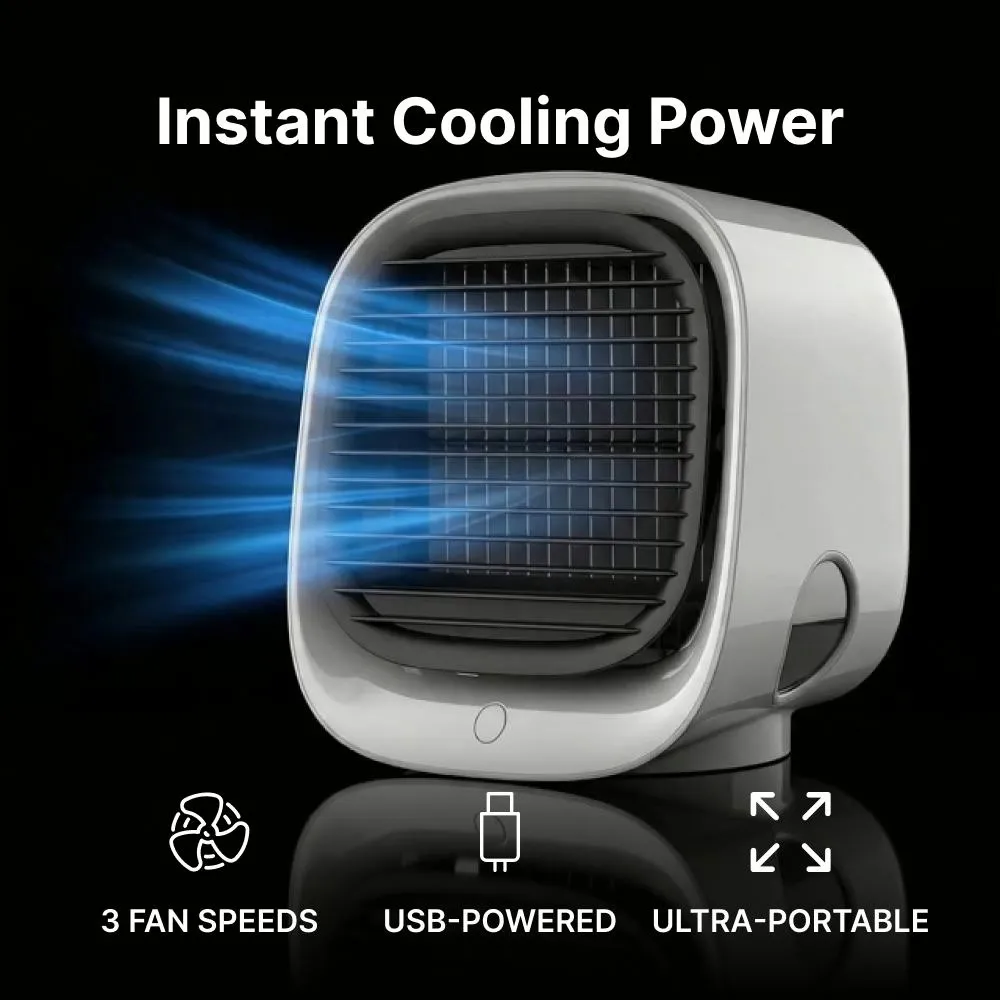
Owners rate it 4.7/5 across 1,888+ reviews, and 97% say they would recommend it. The official site is currently offering 75% OFF, and every order comes with a 30-day money-back guarantee, so you can try it through a few overheated winter nights. As with any evaporative cooler, it's personal and small-room cooling, not a replacement for central air. For the full breakdown of specs and owner feedback, read our full AiraBreeze review.
Frequently Asked Questions
Why is my apartment so hot in winter?
Most often because the building's central heating is set for the coldest units, not yours. Steam and hot-water radiators in older buildings usually have no real thermostat in each apartment, and upper floors, corner units over a boiler room or apartments with heating pipes in the walls get far more heat than they need. Good insulation, small rooms and south-facing windows make it worse.
Can I turn down a steam radiator?
On a one-pipe steam radiator, the valve at the bottom is meant to be fully open or fully closed; leaving it halfway can cause banging and leaks. Some radiators can be fitted with a thermostatic valve or a slower air vent by the building's maintenance team. Never remove or tamper with the vent yourself; ask your landlord or super.
Is it OK to open the windows in winter when the apartment is too hot?
Cracking a window is the most common quick fix and it does let heat out, but it wastes energy, lets in street noise and cold drafts, and can be unsafe with young children. A more comfortable approach is to combine a slightly open window with moving air in the room, or to cool the one room you are using.
Does a portable air cooler work in winter?
Yes, in an overheated room it can work very well. Evaporative coolers cool best when the air is dry, and radiator-heated winter air is usually very dry. A compact cooler like AiraBreeze blows a stream of cooler air at you and adds a little moisture, which many people find more comfortable in dry winter heat. It's personal, small-room cooling, not a replacement for central air.
Can I ask my landlord to lower the heat?
Yes. Many cities require landlords to provide a minimum level of heat during the heating season, but there is usually no rule against asking them to balance the system. Report it in writing, mention specific rooms and times, and ask whether a radiator cover, a thermostatic valve or a vent adjustment is possible.
What temperature is best for sleeping?
Many sleep experts suggest a cool bedroom, often somewhere in the mid-60s Fahrenheit. An apartment stuck in the high 70s or 80s overnight is one of the most common winter sleep complaints in older buildings, which is why cooling just the bedroom makes such a difference.
New here? Browse more honest home-product reviews on our Review Elite home page, or read how to stay cool at home without air conditioning.