Is It Safe to Sleep With an Air Cooler On? 8 Questions People Don't Ask
The Short Answer
Yes. Sleeping with a portable evaporative air cooler on is safe when you use it as intended: on a stable surface a few feet from the bed, aimed at your body rather than your face, on a low fan speed, with fresh water in a clean tank and a little fresh air in the room. It cannot give you a cold, it has no refrigerant or hot parts, and it uses very little power. The only real things to manage are moisture and cleanliness. A quiet bedroom cooler with a tank that lasts the night, like the AiraBreeze, makes that easy.
You finally found a way to sleep cool, and then the doubts start at 2 a.m. Can blowing cool, moist air on me all night make me sick? Is the water sitting in that tank turning into something nasty? Should the kids have one in their room? These are the questions most people never ask out loud, and most product pages skip. Here are straight, plain answers, plus a simple bedtime setup that keeps it safe and comfortable all night.
First, What an Air Cooler Actually Does to the Air
A portable evaporative cooler pulls room air through a water-soaked filter. As the water evaporates, it absorbs heat, so the air that comes out is cooler, and it also carries a little extra moisture. There is no refrigerant gas, no compressor and no heating element. That is why these coolers are quiet and cheap to run, and why the two topics that matter for sleep are airflow and moisture, not chemicals or fire risk. For the full explanation, see do evaporative air coolers actually work?
8 Questions People Don't Ask (and the Honest Answers)
1. "Can sleeping next to it give me a cold?"
No. Colds and flu are caused by viruses, not by cool air. What can happen is that a strong, cold breeze aimed straight at your face for eight hours leaves you with a dry or stuffy feeling in the morning, the same way a fan can. The fix is simple: aim the cooler at your body or the side of the bed, not your face, and use the lowest fan speed that keeps you comfortable.
2. "Will it make my bedroom damp or moldy?"
An evaporative cooler adds some moisture to the air; that is part of how it works. In dry air, that is a bonus. In a completely sealed room in an already muggy climate, moisture can build up over many nights. Keep it balanced with a cracked window or an open door so fresh air can circulate. Many health agencies recommend keeping indoor humidity below about 60 percent; an inexpensive hygrometer tells you where your room stands.
3. "Is the water in the tank going to grow bacteria?"
Not if you treat it like a water glass, not a fish tank. Refill with fresh water each evening, rinse the tank regularly and drain and dry it completely if you will not use the cooler for a few days. Our step-by-step guide on how to clean and store a portable air cooler covers the routine in five minutes.
4. "Is it OK to leave it running all night?"
Yes, that is what bedroom coolers are designed for. The practical issue is the water: a small tank that runs dry at 3 a.m. stops cooling and wakes you up. Look for a tank that lasts a full night, place the unit where it can't be knocked over and keep the cord out of walkways.
5. "Will the noise keep me awake?"
A good cooler on its lowest setting produces a soft, steady hum that many people find easier to sleep with than silence. Choose a unit with several fan speeds so you can run it gently at night and stronger in the evening.
6. "Is it safe in a baby's room or with pets?"
Evaporative coolers have no hot surfaces and no refrigerant, which makes them a gentle choice. The safety rules are about placement: a stable surface out of reach, no dangling cord, airflow pointed away from a baby's face, and water that pets cannot drink or spill. For newborns, ask your pediatrician what room temperature they recommend.
7. "What if I have asthma or allergies?"
Many people with sensitive airways find gently humidified air more comfortable than the dry air from AC or radiators, and a cooler with a built-in filter traps some dust on the way through. Everyone is different, though: if you have asthma, allergies or another breathing condition, ask your doctor what humidity range works best for you and keep the tank and filter scrupulously clean.
8. "Will it run up my electricity bill?"
No. An evaporative cooler runs a small fan and a water pump instead of a compressor, so it uses a fraction of the power of an air conditioner. Running it all night in a bedroom is one of the cheapest ways to sleep cool. We compare running costs in portable cooler vs. AC vs. fan.
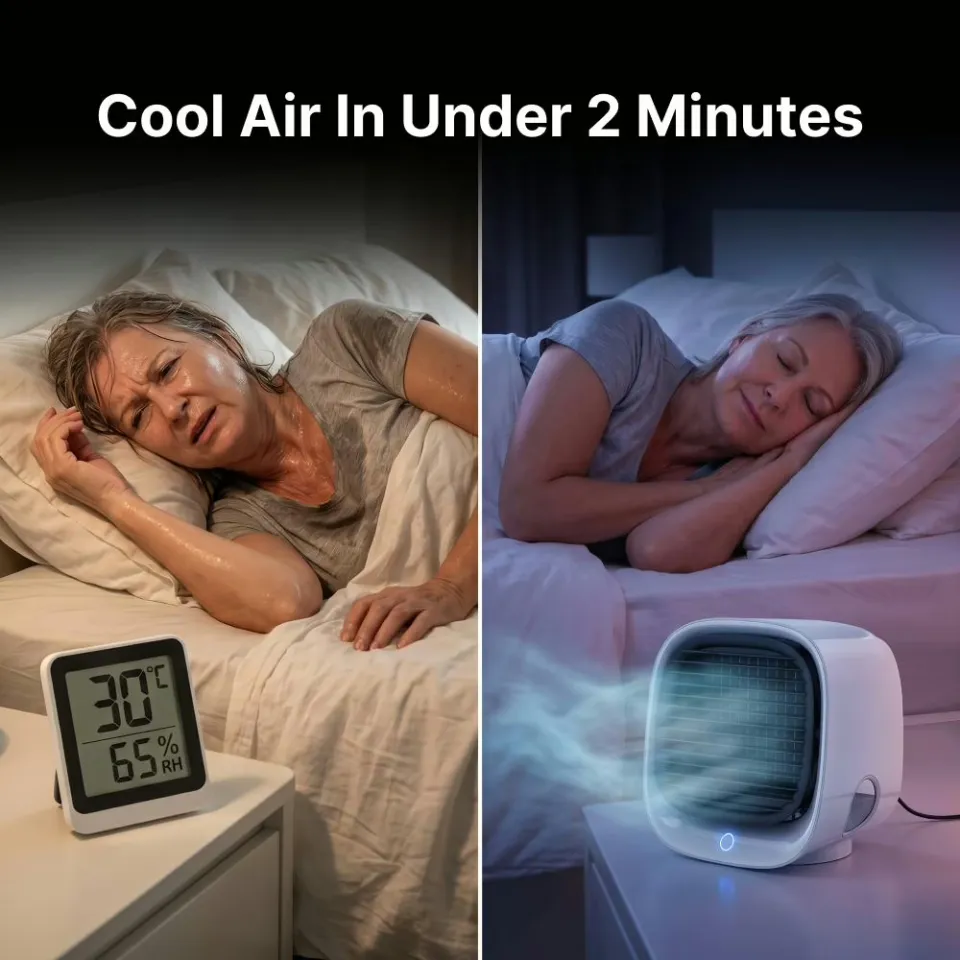
The Safe Bedtime Setup
| Do | Avoid |
|---|---|
| Stable nightstand or dresser, 3–6 feet from the bed | The floor next to the bed, where it can be kicked or tipped |
| Airflow aimed at your body or the side of the bed | A strong stream straight at your face all night |
| Lowest comfortable fan speed for sleep | Maximum speed for eight hours |
| Fresh, cool water every evening | The same water sitting in the tank for days |
| A window or door cracked for fresh air | A fully sealed room in muggy weather |
| Tank and filter cleaned regularly; drained and dried before storage | Storing it with water inside |
- Fill it before bedFresh, cool water to the max line. A little ice is fine if you like the air extra cool at first.
- Place it on a stable surfaceNightstand or dresser height, a few feet away, cord tucked behind furniture.
- Pre-cool for a few minutesStart it on a higher speed while you get ready for bed.
- Switch to low for sleepA gentle breeze toward your body, not your face.
- Let a little air inA door or window slightly open keeps the moisture balanced.
- Morning routineSwitch it off, and once a week give the tank a rinse.
More ways to get colder air from a cooler are in how to use a portable air cooler. Not sure your room is actually too warm? Check the 7 signs your bedroom is too hot to sleep. And if your bedroom is the hot one because of the building's radiators, see why your apartment is so hot in winter.
Our Recommendation: AiraBreeze
If you want to sleep cool without running whole-house AC for one room, and without the 2 a.m. worries, AiraBreeze is the portable air cooler we recommend. It was designed around exactly the things that matter at night:
- A tank that outlasts the night: up to 8 hours per fill, so one refill before bed covers the whole night.
- Quiet enough to sleep beside: 3 fan speeds, with a low setting made for the bedroom.
- Gentle, cleaner air: it cools, filters, humidifies and purifies as it runs, so the air feels fresh instead of dry and recycled.
- No refrigerant, no hot parts, no installation: fill, plug in, press a button, and the air turns noticeably cooler in about 90 seconds.
- Sized for bedrooms: designed for spaces up to 215 sq ft, light enough to carry from the bedroom to the desk with one hand.
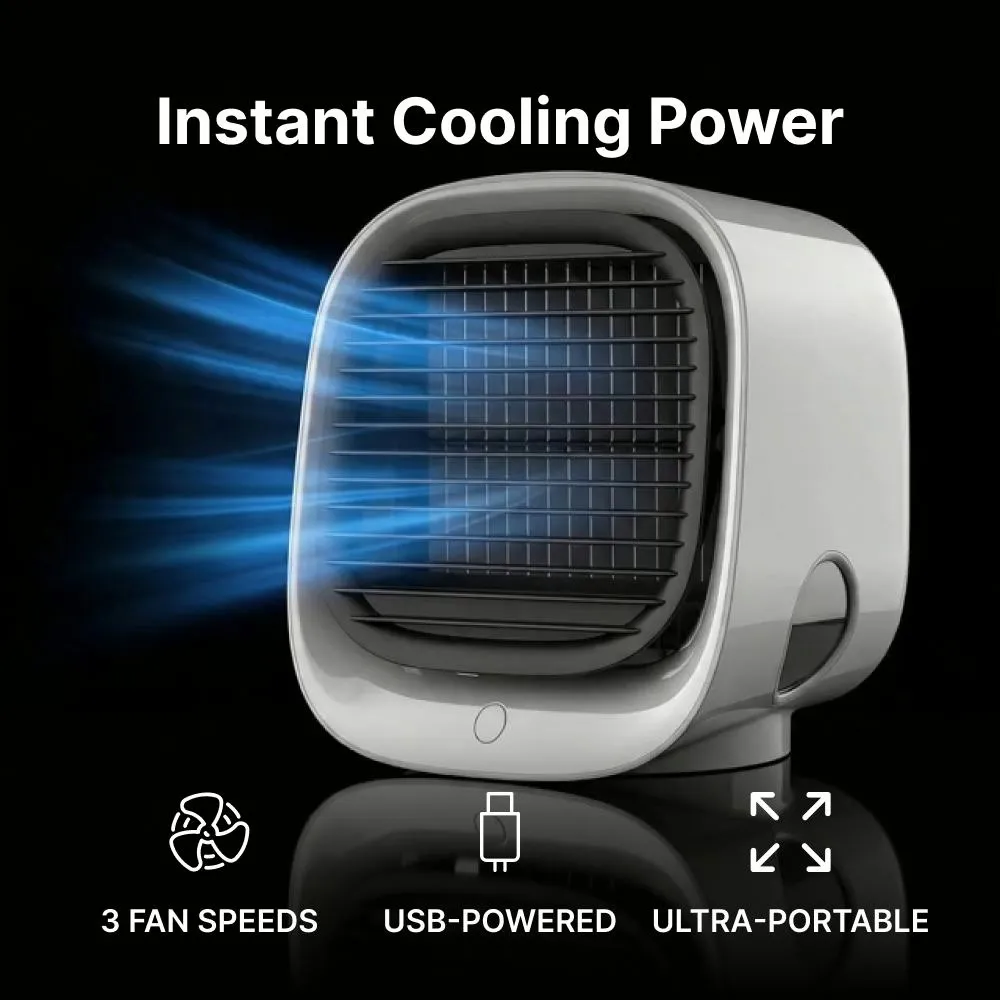
Owners rate it 4.7/5 across 1,888+ reviews, and 97% say they would recommend it. The official site is currently offering 75% OFF, and every order comes with a 30-day money-back guarantee, so you can try it for a few weeks of real nights. As with any evaporative cooler, it's personal, small-room cooling, not a replacement for central air. For the full breakdown of specs and owner feedback, read our full AiraBreeze review.
Frequently Asked Questions
Is it safe to sleep with an air cooler on all night?
Yes, for a modern portable evaporative cooler used as the manufacturer intends. Keep it on a stable surface a few feet from the bed, give the room a little fresh air, use clean water and keep the tank and filter clean. A cooler with a tank that lasts the whole night means you do not have to get up to refill it.
Can an air cooler make you sick?
Colds and flu are caused by viruses, not by cool air. What can make some people feel stuffy or uncomfortable is a strong, cold airflow aimed straight at the face all night, or a dirty tank with stale water. Point the cooler at your body rather than your face, use a low fan speed for sleep and change the water regularly. If you have asthma, allergies or another respiratory condition, ask your doctor what humidity level suits you.
Can an evaporative cooler cause mold in the bedroom?
An evaporative cooler adds some moisture to the air, which is a plus in dry air but should be balanced with a little ventilation. In a sealed room in an already humid climate, extra moisture can build up. Crack a window or door, keep indoor humidity in a comfortable range and empty and dry the tank when you are not using the cooler for a few days.
Should I leave water in the air cooler tank overnight?
Using it overnight is fine; that is what the tank is for. The habit to avoid is leaving the same water sitting for days. Refill with fresh water each evening, rinse the tank regularly and drain and dry it if you will not use the cooler for a while.
Is an air cooler safe around babies, kids and pets?
Evaporative coolers have no refrigerant and no hot parts, which makes them a gentle option. Place the unit on a stable surface out of reach so it cannot be tipped over or the water spilled, keep the cord tidy, aim the airflow away from a baby's face and follow the manufacturer's instructions. For a newborn, ask your pediatrician about the ideal room temperature.
Does running an air cooler all night use a lot of electricity?
No. A portable evaporative cooler runs a small fan and a water pump instead of a refrigerant compressor, so it uses far less power than an air conditioner. Running one through the night in a bedroom is one of the cheapest ways to sleep cooler.
New here? Browse more honest home-product reviews on our Review Elite home page, or read how to stay cool at home without air conditioning.