R-410A Phase-Out 2026: What Changed This Year for Home Cooling (and What It Means for You)
The Short Answer
R-410A is not banned in 2026. New R-410A split systems stopped being made on January 1, 2025, and a January 1, 2026 installation cutoff was planned, but in May 2026 the EPA finalized a rule that lets contractors keep installing older R-410A units until supplies run out (New York kept the 2026 cutoff). Your existing AC can stay and still be serviced. New central systems now use A2L refrigerants such as R-454B and R-32, and for cooling one room or one person, a refrigerant-free evaporative cooler like AiraBreeze sidesteps the whole issue.
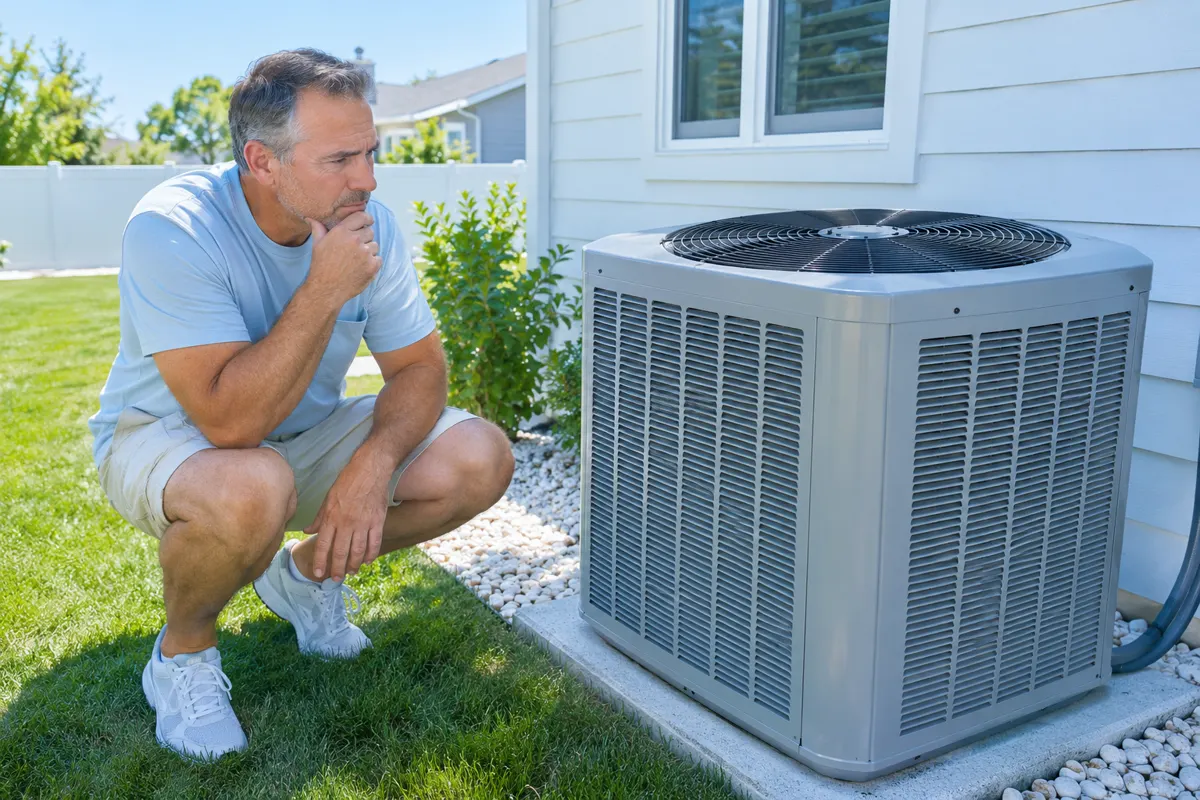
If you have shopped for a new air conditioner, talked to an HVAC contractor or read the news this year, you have probably heard “R-410A is being phased out” and wondered whether your system is suddenly obsolete. The rules did change in 2026, and then changed again. Below are the dated, verifiable updates that matter to a homeowner, what each one means in practice, and the simplest way to stay cool next summer while the HVAC world sorts itself out.
First, Why R-410A Is Being Phased Down
R-410A is the refrigerant that has filled most American central air conditioners and heat pumps for about two decades. It is a hydrofluorocarbon (HFC) with a high global warming potential (GWP). The American Innovation and Manufacturing (AIM) Act of 2020 directs the EPA to cut U.S. production and import of HFCs in steps, down to 15% of the historic baseline in 2036, and to move each equipment category to lower-GWP alternatives. For home AC, that meant a GWP limit of 700 for new systems, which R-410A (GWP above 2,000) cannot meet.
What’s New in 2026: 5 Dated Changes
1. January 1, 2026: the original installation deadline arrived
Under the EPA’s 2023 Technology Transitions rule, residential split systems manufactured with R-410A had to stop on January 1, 2025, and those already-built units could only be installed until January 1, 2026. Going into this year, contractors were racing to install leftover stock and many homeowners were told “buy now or never.”
What it means for you: if you were pushed into a rushed replacement last winter, you were not alone, but you did not miss a legal cliff for good, as the next item shows.
2. May 2026: EPA finalized a rule that removed that deadline
In May 2026 the EPA finalized an amendment that allows homes to keep receiving HVAC units that were manufactured or imported before January 1, 2025 and use higher-GWP refrigerants such as R-410A, until existing supplies are depleted. The National Association of Home Builders summarized the final rule on May 26, 2026 and noted that the EPA cited concerns about the availability and cost of the newer refrigerants (NAHB, May 2026; see also ACHR News).
What it means for you: an R-410A system built before 2025 can still be installed legally in most states, but no new ones are being made, so that stock shrinks every month.
3. July 27, 2026: the change took effect
The amended rule became effective on July 27, 2026, according to the same NAHB summary. From that date, the federal “install by January 1, 2026” limit no longer applies to those pre-2025 residential units.
What it means for you: if a contractor quotes you a leftover R-410A unit today, that is allowed federally; ask how long they expect to be able to service it and what refrigerant will cost.
4. New York kept the original 2026 cutoff
New York has codified the original January 1, 2026 deadline in state law, so R-410A systems cannot be installed there. Other states and cities can set their own rules too, which is why builders are told to check state and local requirements before installing older systems.
What it means for you: in New York, a new central system means an A2L system. Everywhere else, ask your installer which local rules apply.
5. 2026 is the year A2L systems became the default
New residential systems now ship with lower-GWP refrigerants, mainly R-454B and R-32. Both are classified “A2L”: lower toxicity and mildly flammable. That brings leak-detection features, updated installation codes and new technician practices, and it is one reason quotes for new systems have looked different this year.
What it means for you: an A2L system is the long-term path for whole-home cooling, but it is a bigger purchase that deserves a careful quote, not a rushed decision.
What Continues to Apply
| Topic | Status in late 2026 | Source |
|---|---|---|
| Making new R-410A home split systems | Ended January 1, 2025 | EPA Technology Transitions rule |
| Installing pre-2025 R-410A units | Allowed until supplies run out (not in New York) | EPA final rule, May 2026 (effective July 27, 2026) |
| Servicing your existing R-410A system | Allowed; refrigerant still produced and reclaimed | EPA / AIM Act |
| HFC production and import | Stepping down to 15% of baseline by 2036 | AIM Act |
| Window and other factory-sealed AC units | Older higher-GWP stock can be sold until no later than January 1, 2028 | NAHB summary of the EPA rule |
| Evaporative coolers | Not affected: no refrigerant at all | How the technology works (U.S. DOE) |
What to Do Right Now (Homeowner Checklist)
- Find out what your system uses. The refrigerant type is printed on the nameplate of the outdoor unit. If it says R-410A, nothing changes today.
- Keep it healthy. A system that does not leak does not need refrigerant. Annual maintenance and quick repair of leaks matter more now that R-410A is getting scarcer.
- Plan, don’t panic. If your system is old, ask for two quotes: one A2L system and, where allowed, one remaining R-410A unit, and compare long-term service costs, not just the price tag.
- Don’t over-size the fix. If the real problem is one hot bedroom, home office or upstairs room, a full system replacement may be the wrong tool (our if-then guide to cooling a hot room walks through the options).
Where a Refrigerant-Free Cooler Fits
All of the rule changes above are about refrigerants, compressors and sealed systems. An evaporative cooler has none of those. It pulls air across a wet pad, and evaporation does the cooling, the same principle we explain in do evaporative air coolers actually work? The U.S. Department of Energy’s Energy Saver 101 guide to home cooling notes that in arid climates they can be a cost-effective option and use a fraction of the energy of a central air conditioner.
That makes a personal cooler a smart, low-stakes move while you decide what to do about central air: it cools the spot where you sit or sleep, needs no installer, never needs a recharge and is not touched by any phase-out. It is not a replacement for central air in a whole house, and in very humid weather the effect is smaller (see how much does an evaporative cooler cool?), but for one person in one room it is the simplest fix available.
Our Recommendation: AiraBreeze
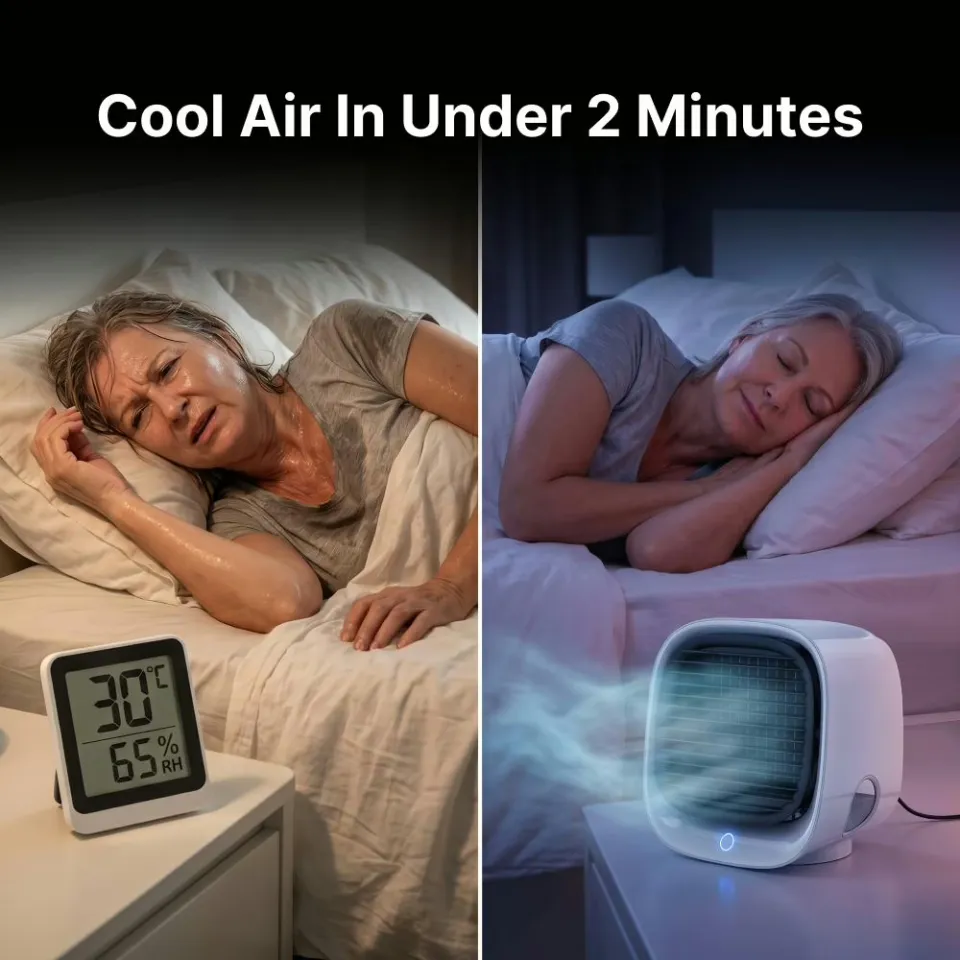
If 2026 has you rethinking how you cool your home, start with the room you actually live in. AiraBreeze is the personal evaporative cooler we recommend: a compact unit that cools, filters and humidifies the air around you, rated for spaces up to 215 sq ft, with no refrigerant, no compressor and nothing to install. Fill the tank, plug it in, press the button.
- Noticeable cooling in about 90 seconds: you feel the difference almost right away.
- Up to 8 hours per fill: enough for a full night or a work day.
- 3 fan speeds: low is quiet enough to sleep next to.
- Add ice for extra-cool air: a colder first blast on the hottest afternoons.
- No refrigerant, ever: no recharges, no phase-out worries, no technician visits.
- Light and portable: nightstand at night, desk by day.
Owners rate it 4.7/5 across 1,888+ reviews, and 97% say they would recommend it. The official site currently offers 75% OFF, and every order is covered by a 30-day money-back guarantee. Read our full AiraBreeze review for specs and owner feedback.
Frequently Asked Questions
Is R-410A banned in 2026?
No. New residential split systems charged with R-410A stopped being made or imported on January 1, 2025, but in May 2026 the EPA finalized a rule that lets contractors keep installing R-410A systems that were made or imported before that date until existing supplies run out. The change took effect on July 27, 2026. New York kept the original January 1, 2026 installation deadline in state law.
Do I have to replace my R-410A air conditioner?
No. Nothing in the federal rules forces you to replace a working R-410A system. R-410A can still be produced in shrinking amounts and reclaimed for servicing existing equipment, so repairs remain possible, although refrigerant is expected to get scarcer and pricier over time.
What refrigerant replaces R-410A?
Most new residential systems use lower-GWP A2L refrigerants, mainly R-454B and R-32. A2L means lower toxicity and mildly flammable, so these systems come with extra safety features and installers follow updated codes.
When will R-410A refrigerant run out?
There is no single run-out date. Under the AIM Act, U.S. production and import of HFCs such as R-410A steps down until it reaches 15 percent of the historic baseline in 2036. Recovered and reclaimed refrigerant will keep servicing older systems, but supply tightens step by step.
Do evaporative coolers use refrigerant?
No. An evaporative cooler cools air by evaporating water from a wet pad or filter, so it has no compressor and no refrigerant. The refrigerant rules do not apply to it, and it never needs a recharge.
New here? Browse more honest home-product reviews on our Review Elite home page, or see how cooling options compare in portable cooler vs. AC vs. fan.